Y’all… Things are happening. I have seen recent photos of masters crews in big boats. Our own men’s team went out in doubles today! Date and location for the masters nationals are set (Aug. 12-15 in TN)!
These updates have led me to think about what going back to the ninth seat would be like. I am not too anxious. It will happen when it happens. I am aware that for me, it is not going to be like riding a bicycle. I’ve taken a long break from rowing before, and I had to start over and even took Learn-To-Row classes again. This time, it is a little bit different because all of us are coming back from a long break. To make my return as seamless as possible, I wrote down some reminders so that I don’t scramble to find my space and my voice when the time comes.
1. Boat handling: Before rowers even think about touching the eight or the four, I would like to gather my crew and explain the steps. I am sure it will come back to them when we get going, but some boats are harder to handle than others. I do not want to get people confused on when to bring the boat from overhead to the shoulders (my personal pet peeve) or see riggers hit the entrance because we forgot how tight the space was. Also, some rowers might come back the week we start rowing in big boats and others might join us a lot later. Gotta observe each line-up and adjust accordingly.
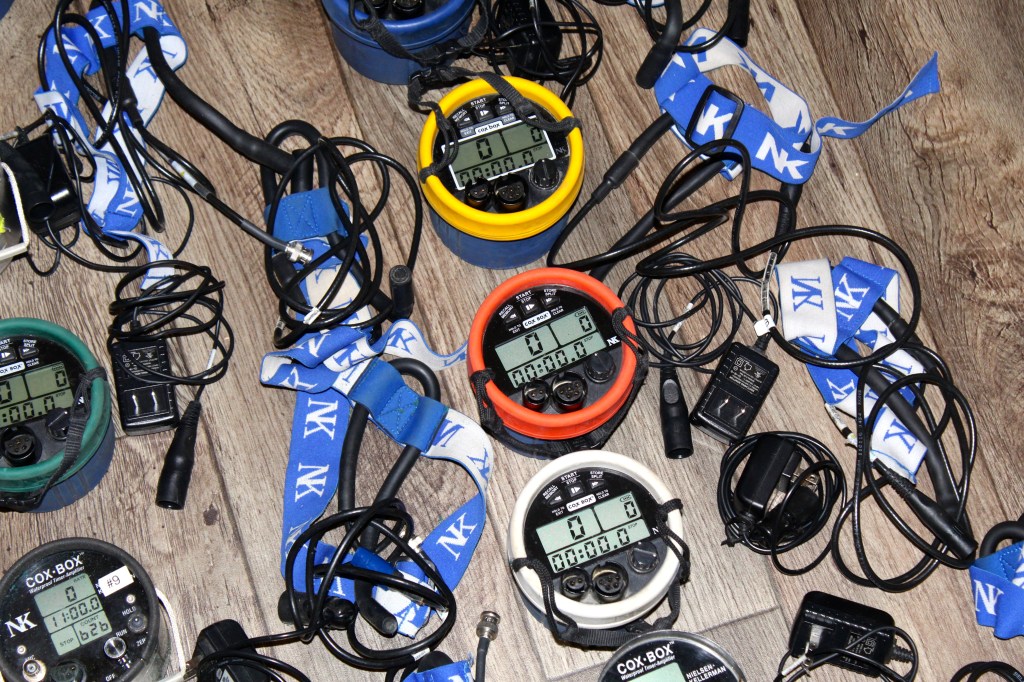
2. Equipment check: In my experience, masters practices especially in the morning are all about efficiency. Boat down to the dock, oars in, and GO GO GO. I’ve yelled at other crews before for not getting out of the dock quickly enough, and I’ve definitely gotten screamed at for letting my rowers fix their foot stretchers at the dock while boats were lined up behind me (“FIX YOUR STRETCHER ON THE WATER!!!”). However, when we start rowing in big boats again that we haven’t touched in over a year, we should take some time to put the boat on slings and check all the nuts and bolts even if our high school teams have been using it. Don’t you think? It will be a good time to check the cox boxes too (and see if I still know how to use it)!

3. Communicate with the coach: Yes, about what we will be doing each practice (What’s our warm-up again?) but also about big goals. It doesn’t have to be a cox-coach conversation, and the whole team should be part of it. Are we getting assimilated to the big boats first before jumping into a training plan or are we going back to where we left off? Is our goal to get everybody back in the team (re-recruit?) or let people decide when the right time is for them? Are we racing this year? How are we setting attendance and workout expectations for rowers and coxswains?
4. Communicate with the other coxswains and blind boats: There may be so many things going on in my boat and in my head, but I’ve got to remember there are other boats around me and steer safely. The easiest way to do that is to talk to them and set lanes!
5. Over-explain: Let’s take a moment to be on the same page about the calls that require unity. For example, when I bring the rate up, usually a simple “up two in two” might work. Not when we have’t rowed together for over a year. I might take a moment to explain, “When we need to bring the rate up, I will say ‘up two in two, one, two, on this one.’ Let’s make sure to accelerate a bit faster when the blades are in the water and continue to follow the stroke.” Reminder for me and my crew on how we do things in this boat.
6. Read the room: Even after the coach sets the tone for the team, individual rowers will have different experiences and expectations. Instead of seeking coxing-specific feedback, I will want to take more time learning about how my rowers are adjusting to the team boats and using that information to manage practices better.
7. Sleep schedule: I am pretty stressed out about waking up at 4:30am Monday through Friday and at 5am on Saturdays. I might not go back 6x/week right away and make sure I can still function at work and at home after practice! I also have a new morning routine that involves weightlifting 3x/week at 6am, so I am going to have a lot of schedule adjusting to do. Not gonna worry about that now. That’s future Lea’s problem. 😀

Do you have any tips or thoughts on coxing big boats again? Comment here or email me at coxswainslog@gmail.com!
 Coxswain's Log
One response to “Before I Go Back…”
The potential problems with manoeuvring the boat in & out of the ‘shed’, when to go to shoulders, when to go above heads etc etc are ALL completely avoided if the cox takes total control of the boat and crew from “Hands on” until the shell is safely racked again. You have either 4 or 8 brains that you have to co-ordinate in everything that they do. Just as you make your commands afloat very precise and unambiguous, so you must also do with everything in the boathouse and on the dock. For example; “Onto shoulders, ready – Go!” or “Above heads after three – ready? One, two ,three, Go!” ALL coxing calls break down into 2 or 3 parts: WHAT to do (Sometimes HOW to do it) and WHEN to do it – and that applies on dry land just as much as afloat.
LikeLiked by 1 person